

Your ideas, brought to life through creative video production
We help businesses & brands communicate and get noticed through engaging online video

Video Production
Good video production starts with a conversation. Who’s watching, what do they need to know, and where will the film appear?
We work through the brief, interview questions, locations, budget and schedule before filming begins. Over 20 years of documentary filming around the world has taught us to listen, prepare properly and give people time to tell their stories.
We bring that same approach to company films, customer interviews and training videos. Thoughtful framing, clear sound and good editing all matter. So does a friendly crew who helps everyone feel comfortable, especially when it’s their first time in front of a camera.

AI Video
AI video has a useful place in video production, and we’re interested in what it can add to a project. It can help us explore visual ideas, develop supporting sequences and illustrate something that would be difficult to film.
We combine those possibilities with our own footage, animation and editing, choosing the approach around your subject and budget.
We’ll discuss where AI could help, what needs filming and any limitations before production starts. Every generated sequence needs checking for accuracy, consistency and suitability. The aim is a better finished film, with experienced people making the decisions throughout the whole process.
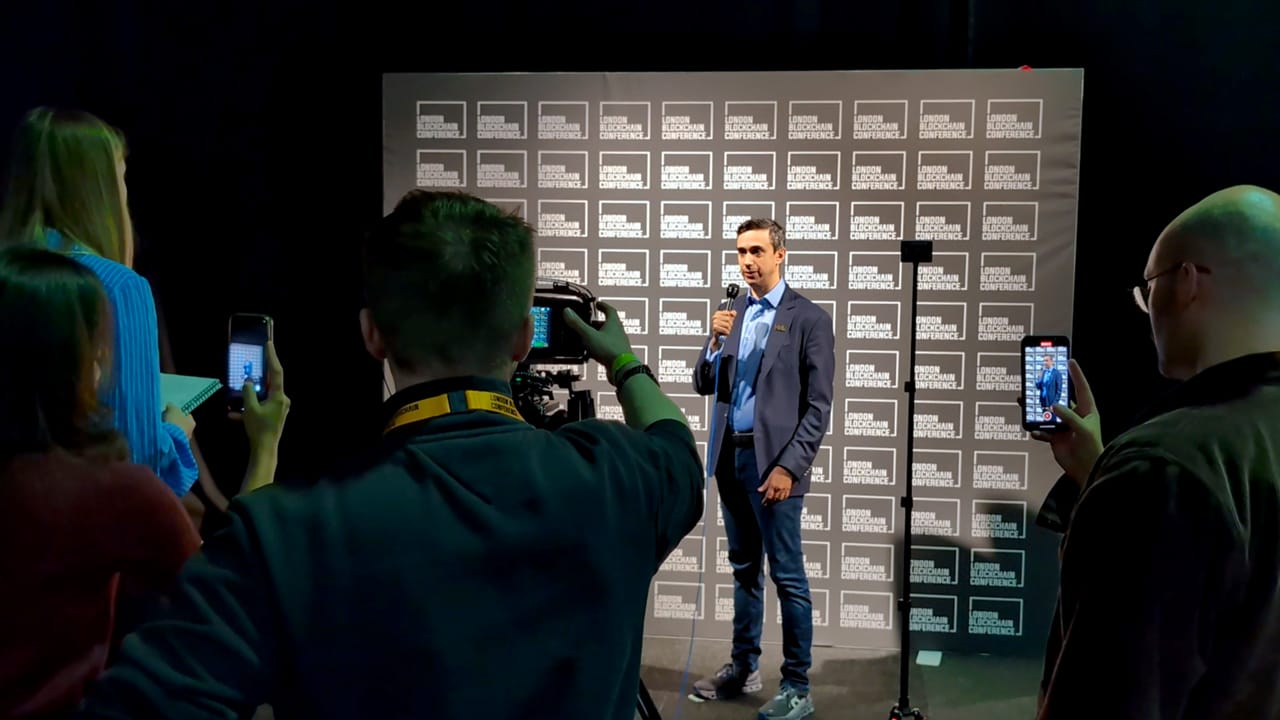
Social Video Editing
One shoot can give you a company film, several interviews and a series of shorter videos for social media. We plan those versions early, making sure we capture enough material for each.
Our social video editing covers YouTube Shorts, Instagram Reels and LinkedIn videos, with suitable framing, readable captions and openings that quickly explain why someone should watch.
Likes and shares can help your film reach more people, while viewing time, comments and enquiries give us further clues about what’s working. We use that feedback to shape future edits and help you get more value from your video production budget.
How we plan your video production
Every video production starts with a few questions. Who are we talking to, what do they need to know, and where will they watch? We turn those answers into a practical brief, then organise scripts, interview questions, locations and a filming schedule.
You bring your knowledge of the business; we work out how to show it on screen. Before filming, we agree who needs to approve what, keeping everyone clear about the plan from day one.
What affects video production costs?
Video production costs depend on what we’re making: the crew, locations, filming days and time needed in the edit. Animation, voiceovers and extra versions can also affect the budget. We explain what’s included in your quote and talk through the options before anything is booked.
Planning several films from one shoot can stretch your budget further. Tell us what you need and what you’re comfortable spending, and we’ll help work out the best approach for you.
From filmed footage to finished video
The edit is where your video production comes together. We find the strongest moments, shape the story and bring in music, graphics, colour and captions where they help.
You review the first version, gather feedback from your team and send us your thoughts. We agree review stages and supply all the formats you need for your website, presentations and social channels. We’re still here after delivery, happy to help with formats, uploads and getting your video out there.
Happy clients we’re proud to be working with













Your next video production starts with a quick chat
Talk us through your filming plans or idea and we’ll help shape the right production for your audience, objectives and budget.
Our goal is always less stress and more applause.
Recent filming projects


Our 7 most frequently asked video production questions
Video production costs depend on what we need to capture, how we approach the filming and what you want to receive afterwards. A customer interview at one location involves a different amount of work from a company film covering several sites, contributors and animated sequences.
The length of the finished video only tells part of the story. A thirty-second product film might need detailed preparation and several days of editing, while a longer interview could be relatively straightforward to produce.
The main things that affect your quote are:
- Preparation: developing the idea, researching the subject, writing scripts and organising the shoot.
- Filming: crew size, equipment, locations, travel and the number of filming days.
- Editing: selecting footage, building the story, sound, colour, graphics and animation.
- Final versions: captions, voiceovers, language versions and additional edits for different channels.
We start by discussing your priorities and the budget you’re comfortable working with. From there, we can suggest a suitable approach and explain what’s included before anything is booked.
There are often practical ways to make your budget go further. Filming several interviews on the same day, using your own premises or planning social videos alongside the main film can make better use of the crew’s time.
Video production cost example
For example, a day spent filming your team could provide material for a company introduction, recruitment videos and several short answers to common customer questions. Those versions still need editing, but planning them together can avoid separate shoots.
To compare a video production cost, look beyond the headline figure. Check how much filming and editing is included, what the review process covers and which finished files you’ll receive.
Tell us about any deadline, access restrictions or internal approval requirements too. They can affect the schedule and the work involved.
A clear brief and an itemised quote give everyone a useful starting point. You can then make informed decisions about where to spend the budget and which elements matter most.
Agree what success looks like before video production begins. A recruitment film might encourage applications, a product video might generate demonstrations and a training film might help people understand a process. Each needs a different way of assessing results to know if the video is working.
Views, likes and shares provide useful clues about attention and reach. Their value becomes clearer when you know who watched, how long they stayed and what happened afterwards.
Depending on the purpose of your film, useful measures could include:
- Viewing behaviour: whether people stay to hear the message and where they stop watching.
- Relevant engagement: comments, questions and shares from the people you want to reach.
- Website activity: visits to relevant pages or clicks towards an agreed next step.
- Business outcomes: suitable enquiries, applications, bookings or improved understanding.
Define how you measure if the video is working
A film watched by a small group of relevant decision-makers could be valuable without attracting thousands of views. A widely shared film also needs to communicate something useful about your organisation.
We can help you identify sensible measures and build the film around its purpose. If the aim is an enquiry, for example, the viewer needs to understand what you offer and how to take the next step.
Measurement needs setting up properly. A visit to a contact page and a successfully submitted enquiry are different actions, so it’s worth checking what your reports actually count.
Results also depend on distribution. Where you publish, who sees the film and how you promote it all influence its performance. The video and the publishing plan need to work together.
After release, the feedback may suggest a shorter introduction, clearer captions or a different edit for a particular audience. It can also help identify useful subjects for your next shoot.
We see that learning as part of getting more from video production. Agree the purpose, choose relevant measures and use the findings to make informed decisions about what to create next.
Yes one video shoot can easily produce content for both your website and social media and planning for those different uses before filming can make a production day much more valuable. Alongside your main website film, we can capture material for recruitment videos, customer stories, product demonstrations and shorter social edits.
The key is deciding what you need early. A detailed interview might provide several useful answers, while footage of your team at work can support different messages across a series of videos.
We’ll discuss the channels you use and plan for:
- Your main film: a company introduction, customer story or explanation of a product or service.
- Shorter edits: individual answers, useful tips, product features or moments from the main story.
- Different formats: framing suitable for website players, presentation screens and vertical social feeds.
- Captions and graphics: helping viewers follow the message and recognise your brand.
A social edit should make sense on its own. Someone discovering a short clip may never have seen the main film, so the opening needs to establish the subject quickly.
We also consider how the footage is captured. Leaving room for different crops, recording alternative introductions and collecting enough supporting shots gives us more options in the edit.
This takes planning and editing time, so we agree the number and type of finished videos as part of the production brief. Additional versions should be budgeted for alongside the main film.
A video shoot and edit is about more than one platform
For example, one customer interview could become a website case study, several short answers for LinkedIn and a concise introduction for a sales presentation. Each version would have its own purpose.
You might also want to release content gradually rather than publish everything at once. Knowing that in advance helps us organise the subjects and final files.
Tell us what your team can realistically publish and maintain. We can then shape a video production around material you’ll actually use, giving each edit a clear job and making better use of the footage you’ve invested in capturing.
Should we use AI video is this years big question and it starts with what your audience needs to see and understand. Each approach offers something useful, and the right choice depends on the subject, the budget and how the finished film will be used.
Filmed footage lets viewers meet your people, see your workplace and understand how something happens. That can be particularly valuable for customer interviews, recruitment films, documentaries and demonstrations.
Animation helps explain things that are difficult to capture with a camera. AI video can support visual development or create sequences that would be impractical to film, although the level of control and accuracy needs careful consideration.
We look at the options together:
- Filmed footage: useful for real people, customer experiences, workplaces, events and products in use.
- Animation: useful for processes, technical explanations, hidden components and ideas that benefit from precise visual control.
- AI video: useful for exploring concepts and producing selected supporting imagery, with appropriate checks.
- A combined approach: useful when different parts of the story need different treatments.
A company film might centre on an interview, use animation to explain a process and include an AI-generated sequence to illustrate a broader idea. The aim is to make those elements feel consistent.
We’ll discuss what each method can realistically deliver before video production begins. Some subjects need exact detail, and generated footage may struggle to reproduce a product or technical process reliably.
Should we use AI video? – Only if checked and reviewed.
Every generated sequence needs reviewing for accuracy, consistency and suitability. We also consider whether the audience could mistake an illustration for footage of something that actually happened.
Your brand matters too. A playful visual approach might suit one organisation, while another needs a more restrained style.
There’s no need to choose the technology before discussing the film. Tell us what you want to communicate and we’ll help identify the approach. Experienced direction, clear thinking and careful editing remain important throughout, whichever tools we use to produce the final result.
Video production includes preparation, filming, editing and approval, so the shoot itself is only one part of the schedule. The overall timescale depends on the film, the people involved and how quickly decisions can be made.
A straightforward interview needs less preparation than a production involving several locations, scripted scenes or detailed animation. Contributor availability can also make a difference, particularly when we’re coordinating busy teams across different offices.
We work backwards from your deadline and agree the important stages before production begins:
- Brief and planning: confirming the audience, message, approach, budget and deliverables.
- Preparation and filming: organising locations, contributors, questions, equipment and the shooting schedule.
- First edit: shaping the footage into a film for you to review.
- Feedback and delivery: making agreed changes and preparing the final versions.
It helps to leave proper time for internal approvals. Your marketing team, technical specialists and senior management may all need to comment, and their availability should be considered alongside the production schedule.
One nominated contact can gather feedback, resolve conflicting requests and send through a clear set of comments. That makes the editing process easier for everyone and reduces the chance of changes being missed.
Preparation also helps protect the timeline. Supplying brand guidelines, approved facts, product information and existing assets early gives us more time to concentrate on the film.
How long does video production take if urgent?
If you have an urgent launch, presentation or event approaching, tell us at the first conversation. We can assess what’s achievable and discuss whether a simpler format or phased delivery would suit the deadline.
For example, the main presentation film might be needed first, with additional social edits following afterwards. We would agree that order with you before starting.
We’ll be clear about what we need from your team and when. A realistic video production schedule gives the creative work room to develop while keeping everyone focused on the same delivery date.
Absolutely. Many of the people we film know their subject inside out but rarely appear on camera. To feel nervous on camera is normal, and helping people settle in is an important part of video production.
We start by explaining what will happen and giving contributors a chance to ask questions. Knowing who they’ll be speaking to, what subjects we’ll cover and how the footage will be used can make the experience feel much more manageable.
For an interview, we usually encourage a conversation. People often sound more natural when explaining something to an interested interviewer than when trying to memorise a paragraph.
Our approach can include:
- Discussing subjects beforehand, so contributors understand the purpose without needing to rehearse every answer.
- Starting with familiar questions, giving people time to relax into the conversation.
- Allowing pauses and another attempt, rather than expecting everything to work first time.
- Filming supporting footage, so viewers can see the products, places or activities being discussed.
We can rephrase a question, explore an interesting answer or stop while someone gathers their thoughts. There’s usually no need to apologise for a stumble or start the whole interview again.
For scripted presentations, an autocue may help. We’ll discuss whether it suits the contributor and the type of delivery required. Reading a formal announcement is different from sharing a personal experience.
Your team can help by giving contributors enough time in their diaries and explaining why their involvement matters. Arriving between back-to-back meetings can make it harder to feel comfortable.
It’s also useful to keep the room calm and avoid having too many colleagues watching. We’ll work with you to create an environment where people can concentrate.
Can you help people who feel nervous on camera?
100% Yes – our documentary experience has taught us the value of listening and giving people space. The aim is a clear, believable contribution that sounds like the person speaking. We’ll guide them through the process and use the edit to bring their strongest moments together.
You don’t need a finished script or a folder full of creative ideas before contacting us. A useful starting point is knowing why you want a video and who you want to watch it.
Perhaps you need to explain a product, introduce your team, recruit new colleagues or share a customer’s experience. We’ll help turn that purpose into a practical video production brief.
For the first conversation, it helps to think about:
- Your audience: who they are and what they already know about your business.
- Your message: the main thing you want them to understand or remember.
- Your channels: where the film will appear, such as your website, presentations or social media.
- Your deadline and budget: any fixed dates and the amount available for the project.
Examples of films you like can be useful too. Tell us what appeals to you about the tone, pace or visual approach. Equally, explain anything that wouldn’t feel right for your organisation.
Once the approach is agreed, we’ll discuss contributors, interview questions, locations and the footage needed to support the story. We can also identify where animation, graphics or existing material might help.
What do you need from us before filming?
Before filming, having one person coordinate access and contributor availability makes a real difference. They can help us understand the working environment and flag anything we need to plan around.
Useful materials might include brand guidelines, logos, approved product information, existing photographs and any facts that need checking by your specialists.
If we’re filming at your premises, we’ll discuss suitable spaces, background noise and what can be shown on camera. A busy workplace can provide excellent footage, but it needs a little organisation.
We’ll agree responsibilities together, so you know what your team needs to prepare and what we’re handling. The aim is to arrive with people ready, locations available and a filming plan that makes good use of everyone’s time.